
Catfish Phone Number Lookup & Reverse Verification
Cross-reference suspicious numbers against telecom carrier networks, VoIP virtual lines, and public digital footprints. Discover if the person messaging you is genuine before you invest trust, emotions, or money.
How to Check a Phone Number for Catfish Signs
Online catfishing relies on creating plausible narratives while hiding behind disposable communication channels. Follow this three-step investigation workflow to verify technical consistency.
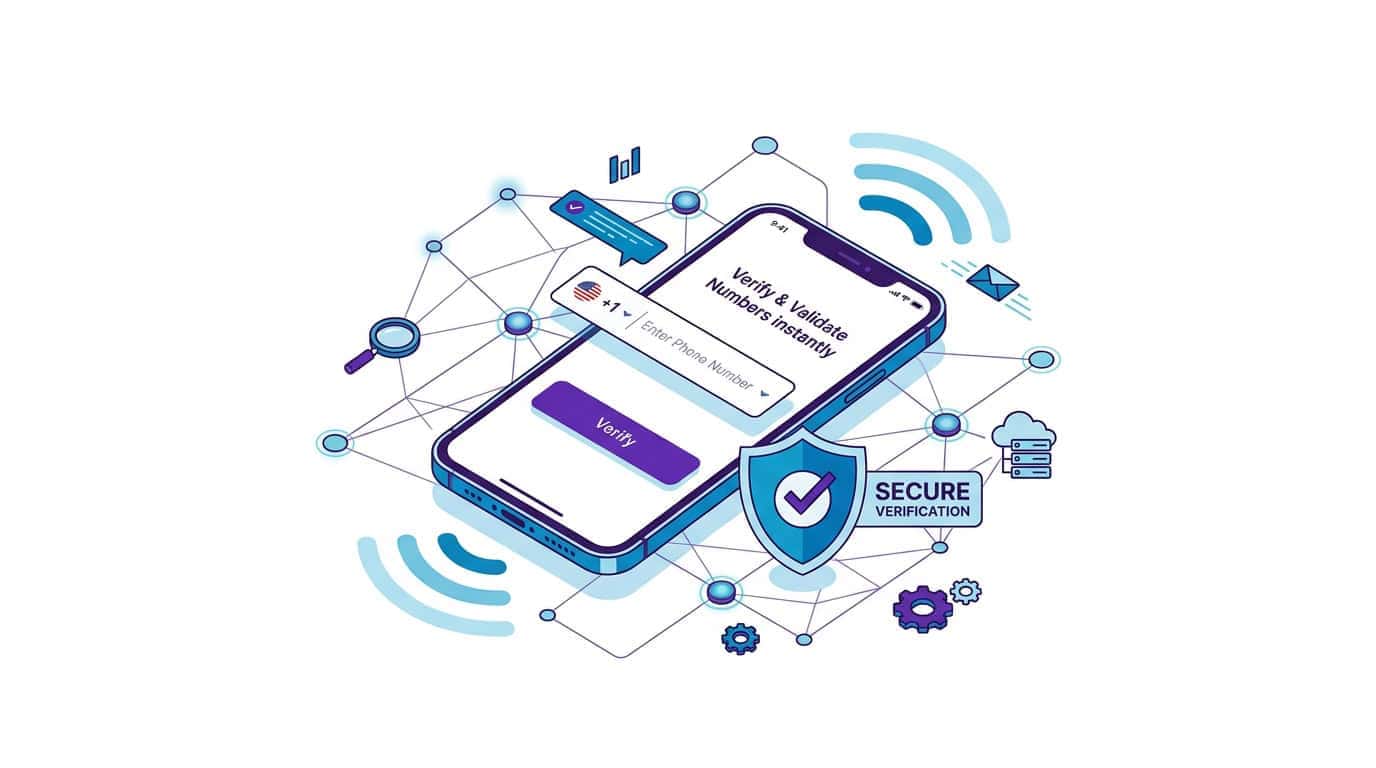 Step 1
Enter the Phone Number & Country
Input the exact telephone number provided in your dating app or messaging conversation. PhoneSocials automatically normalizes the input into standardized E.164 international format, correctly identifying the country dialing code and initial geographic routing.
- Supports 200+ international dialing prefixes
- Automatic syntax and format validation
- Completely passive — no SMS or call is dispatched
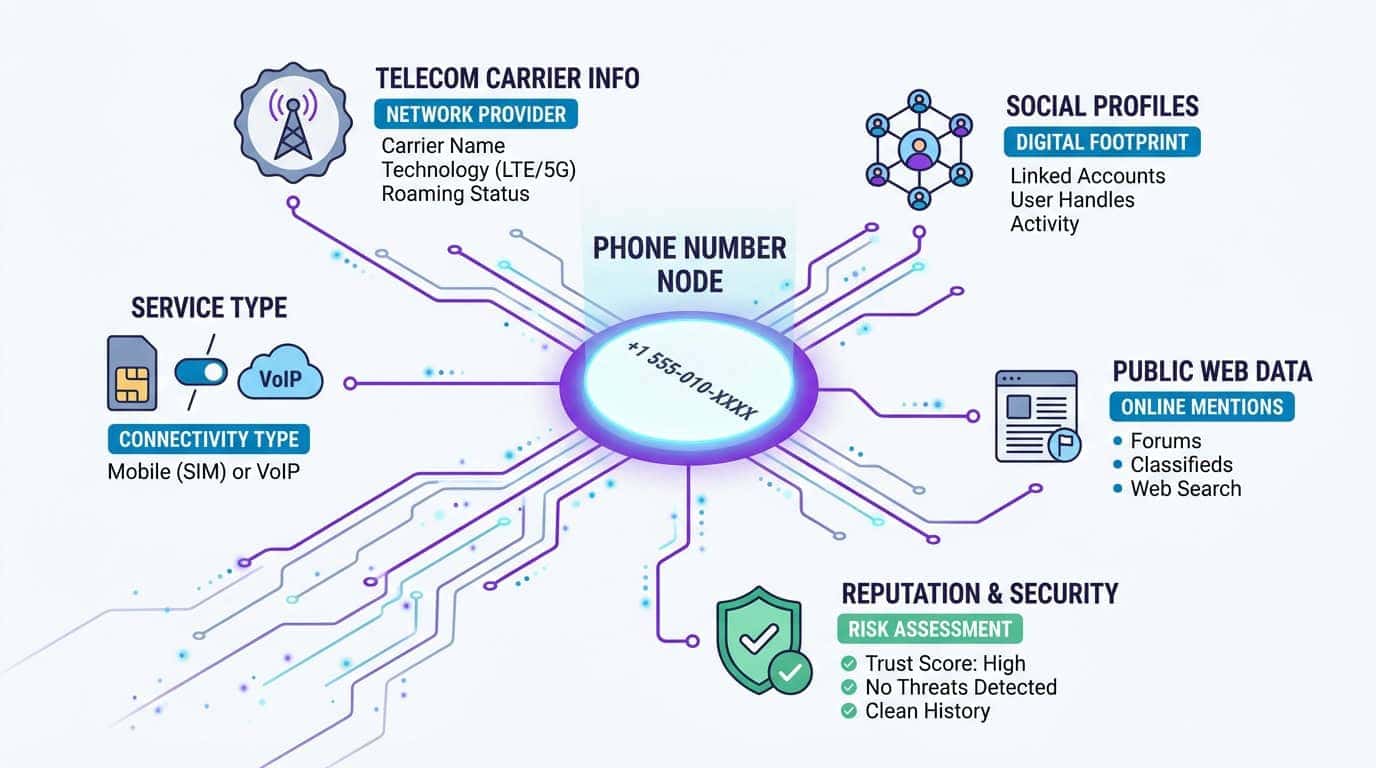 Step 2
Check Telecom & Public Signals
PhoneSocials instantly queries global telecommunications routing registries to resolve the network carrier (e.g., Verizon, AT&T, Vodafone) and determine line classification: physical mobile SIM, landline, or virtual VoIP. The engine then scans publicly indexed directories for digital footprints.
- Instant carrier identification & origin region
- Real-time virtual VoIP / burner line classification
- Public directory and open-web indexing
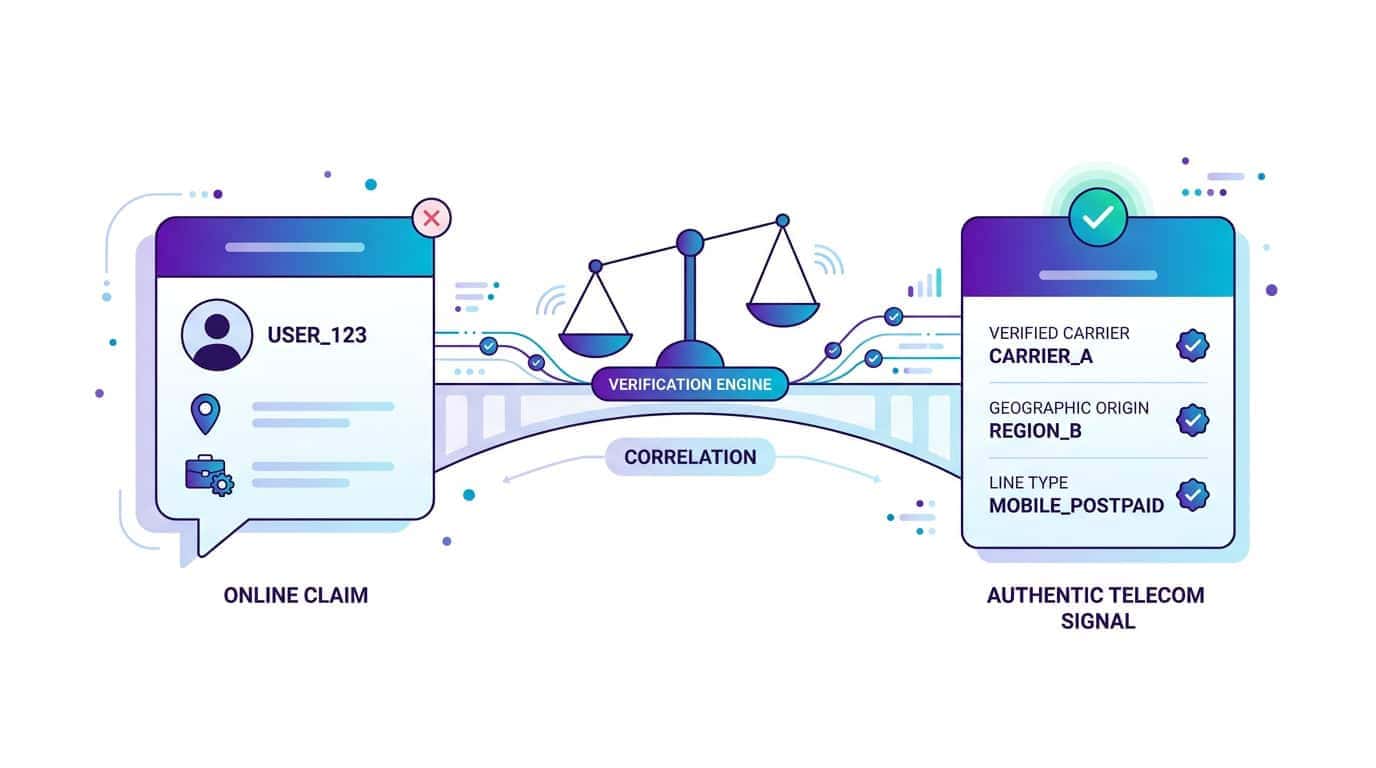 Step 3
Compare Results With Their Story
Review the discovered signals against the claims made by your online contact. Does their purported home city match the number’s registered territory? Does a person claiming a traditional lifestyle communicate through a disposable VoIP number? Use discrepancies as prudent caution flags.
- Cross-reference claimed location against carrier territory
- Evaluate virtual VoIP context vs. personal mobile claims
- Analyze digital footprint consistency across web sources
What Can a Catfish Number Search Reveal?
A phone number is more than digits—it is tied to telecom routing infrastructure and public digital associations. PhoneSocials synthesizes these signals into clear investigation categories.
Carrier & Geographic Origin
Identifies the authentic network provider and geographic issuing region. If an online match claims to live in London but operates a phone number issued by a regional telecom in Eastern Europe, this geographical disconnect warrants scrutiny.
Revealed in Free CheckVoIP & Virtual Line Detection
Distinguishes physical SIM cards from virtual Internet voice providers (Google Voice, Skype, TextNow, Twilio). Romance scammers frequently use VoIP numbers because they can be created remotely and discarded with zero physical presence.
Revealed in Free CheckPublic Messaging App Footprints
Checks for publicly indexed references associated with messaging services such as Telegram, WhatsApp, and Snapchat. Signals help confirm whether the number is actively used for chat or registered under unexpected handles.
Full Report SignalSocial Profile Associations
Cross-references search engines and publicly accessible social caches to identify linked profiles across platforms like Facebook, Instagram, or LinkedIn where phone details have been made publicly discoverable.
Full Report SignalOpen-Web Mentions & Listings
Scans public classifieds, forum posts, local business directories, and web listings where the digits have been posted historically. Unearthing old posts can reveal commercial usage or completely unrelated subscriber identities.
Full Report SignalSpam & Scam Report Aggregation
Flags numbers that have been submitted to public consumer protection boards or spam blacklists for unsolicited messaging, romance scam operations, fake crypto investment pitches, or suspicious phishing activities.
Full Report SignalCatfish Phone Number Lookup for Online Dating
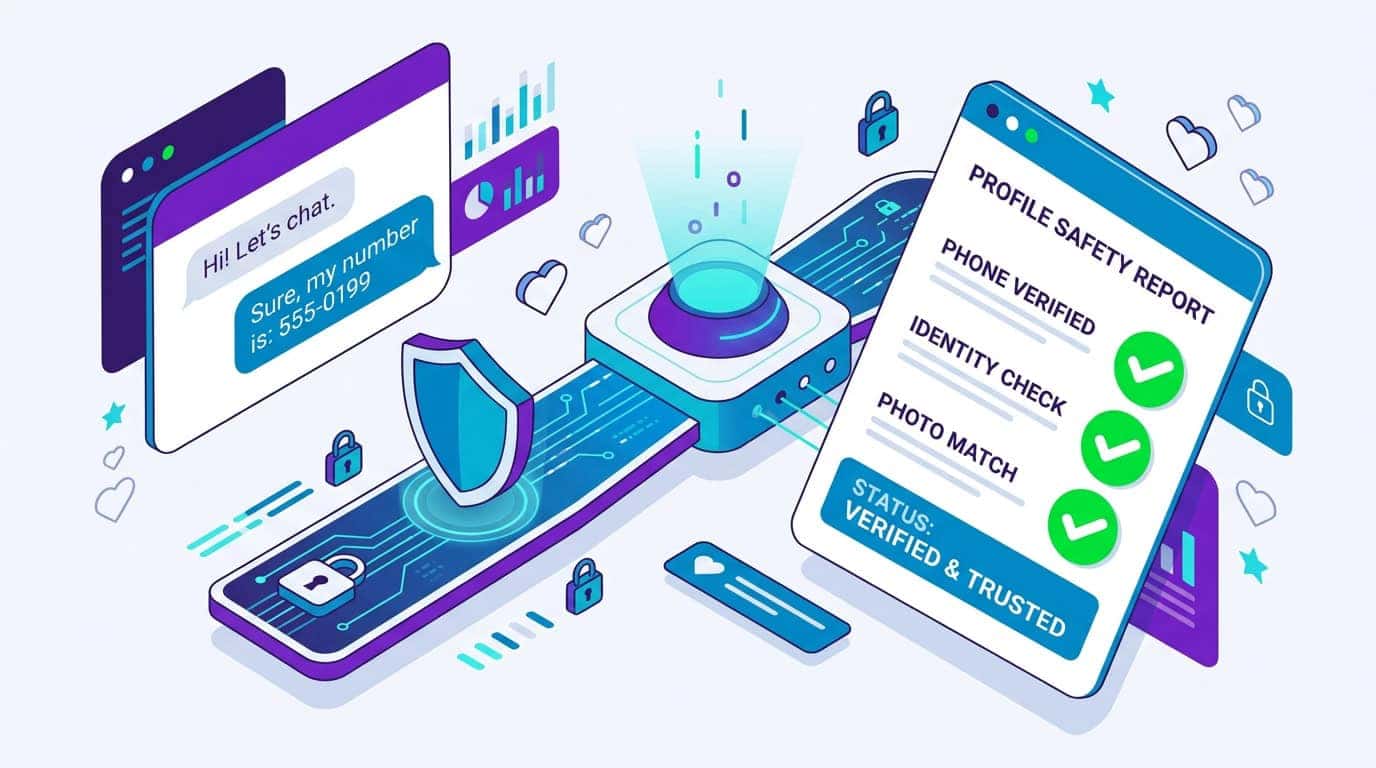
Modern romance scams typically start on Tinder, Bumble, Hinge, or Instagram. A common pattern is urging you to transition quickly off the dating app onto SMS, WhatsApp, or Telegram.
Once off the protected dating app, scammers avoid platform safety filters. Before getting emotionally or financially invested, checking their phone number provides valuable reality checks:
What Does Catfish Use to Look Up Phone Numbers?
People searching for the tools used in popular catfish investigations often wonder what software television producers and cyber investigators utilize. The reality is grounded in open-source intelligence (OSINT).
In real-world catfish investigations — including cases highlighted across investigative journalism, true-crime podcasts, and popular television series — analysts rely on disciplined OSINT methodologies rather than Hollywood-style “instant government databases.” They systematically combine four core intelligence layers:
Telecom Carrier & LRN Routing
Querying the Location Routing Number (LRN) registry to identify the true carrier operating the line, regardless of which network originally issued the block.
VoIP & Virtual Line Auditing
Examining whether the phone line terminates on a physical subscriber SIM or routes through an anonymous cloud PBX, virtual burner app, or VoIP gateway.
Public Platform Cross-Indexing
Searching public social directories, username records, and open-web search caches to discover handles or business profiles associated with the digits.
Consumer Spam & Fraud Repositories
Cross-referencing consumer protection databases where victims document fraudulent SMS campaigns, romance scam patterns, or suspicious communication.
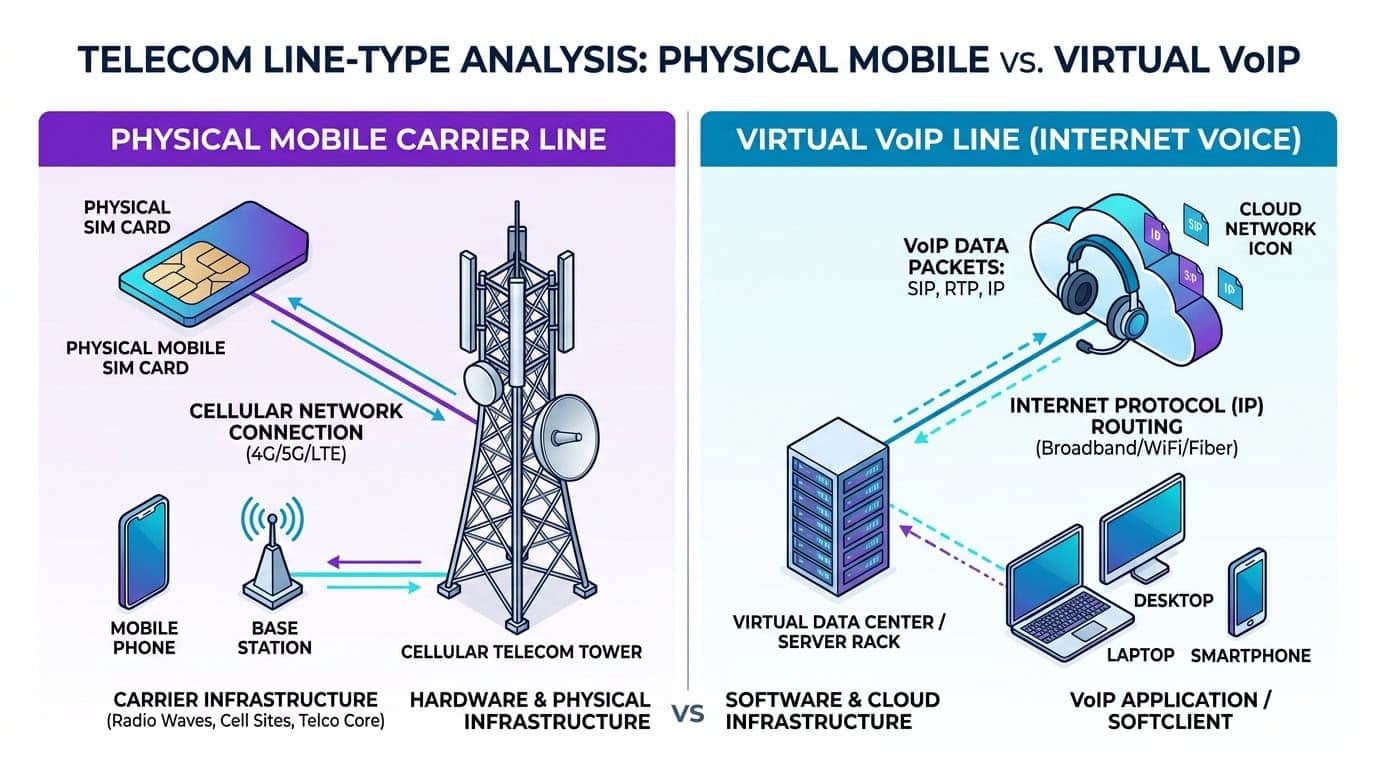
Spotting Virtual Lines: Mobile SIM vs. VoIP Context
Understanding the technical difference between a physical mobile carrier line and a virtual VoIP number is essential for evaluating online credibility.
Millions of legitimate people use VoIP services daily. Google Voice, Skype, Zoom Phone, and corporate virtual PBXs are widely used by remote workers, freelancers, privacy-conscious individuals, and small businesses.
However, in dating or personal conversations, a VoIP line becomes a notable clue when it contradicts what the person told you. For example, if someone claims to be texting from their personal iPhone on a local carrier, but telecom routing reveals a disposable web-based virtual line, that inconsistency requires thoughtful consideration.
- Physical Mobile (Cellular): Tied to a physical device containing a SIM/eSIM, issued by recognized cellular carriers.
- Virtual VoIP (Cloud-Based): Routes voice and SMS over internet protocols, easily set up from any computer worldwide without physical SIM cards.
Phone Number Red Flags Worth Checking
No single data point proves dishonesty, but clusters of technical contradictions are classic indicators of identity misrepresentation.
Country Code & Region Mismatch
The person claims to reside in your local metro area, but their phone number begins with an international country code or an area code thousands of miles away with no reasonable explanation.
Disposable VoIP / Burner App Routing
They claim to be texting from their personal cell phone, but carrier lookups reveal a free burner app or web-based virtual provider frequently linked to anonymous disposable accounts.
Conflicting Public Names or Handles
Public social footprints associated with the number lead to social profiles, usernames, or business listings under an entirely different identity than the name you were given.
Public Spam or Scam Database Hits
The number has existing reports in consumer spam registries for romance scamming, fake investment solicitations, or phishing messages submitted by other internet users.
Brand-New Line With Zero Footprint
A contact who claims to have an established professional career has a phone number activated days ago with zero historical telecom routing or public web presence anywhere online.
What a Catfish Phone Search Cannot Prove
PhoneSocials provides objective data signals. It is vital to understand the boundary between an investigative clue and definitive legal proof.
Investigation Clues vs. Absolute Proof
A phone lookup reports technical carrier facts, registered regions, and publicly discoverable web links. It cannot legally prove who is holding the physical phone at this exact moment. Public profile associations provide clues to evaluate consistency, not courtroom proof of fraud. Never confront or accuse someone based solely on raw technical lookups.
Reassigned Phone Numbers
In modern telecommunications, mobile carriers recycle disconnected numbers after 90 to 180 days. If a phone number was recently reassigned, older historical directory entries or public profile mentions may belong to a prior subscriber rather than your current contact.
Family Plans & Corporate Accounts
Many legitimate cell phone lines are registered under family accounts, parental names, or corporate employers. A name mismatch in telecom records often reflects the primary account holder or bill payer rather than the individual using the handset.
What If the Search Finds Nothing?
If a phone lookup returns limited public social footprints, do not assume the person is a scammer, and do not assume they are completely genuine.
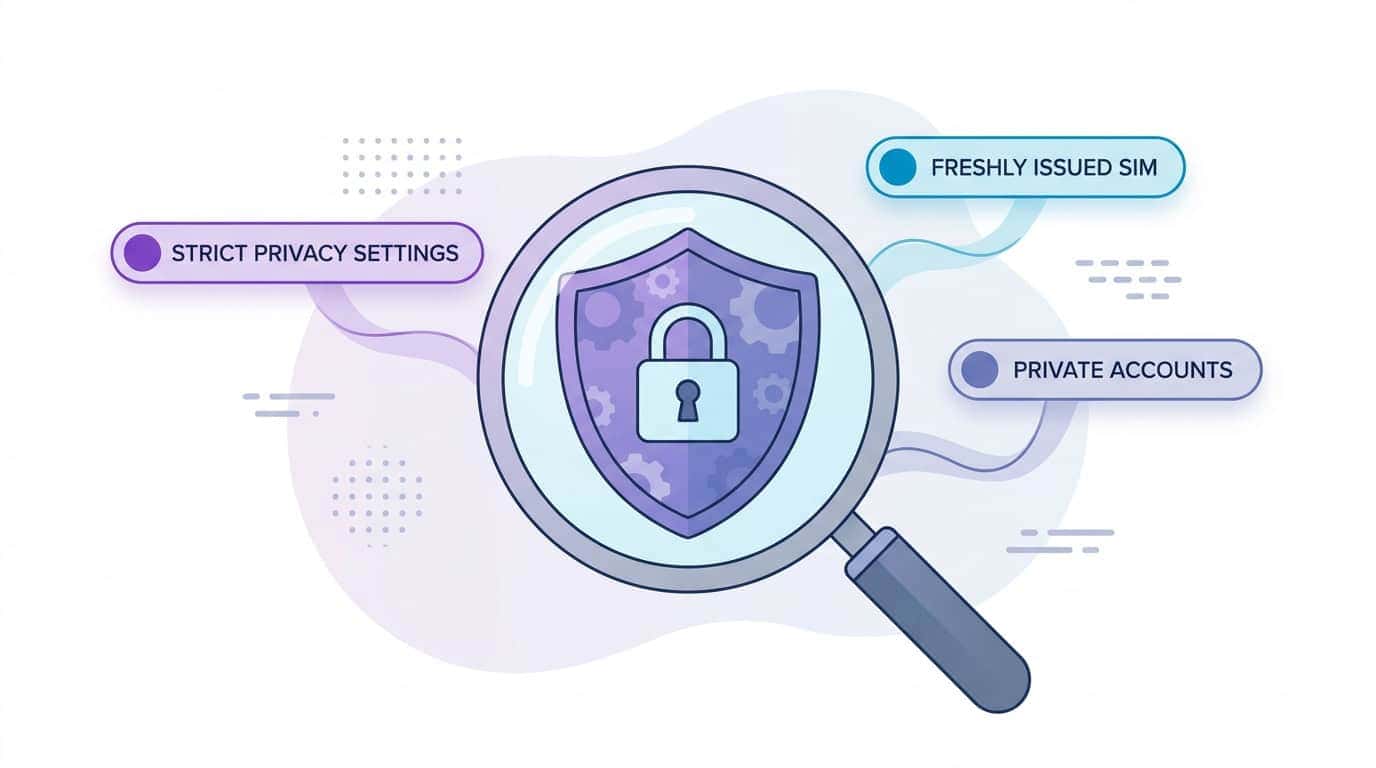
Zero public profiles is a common and normal result on the open web. There are four standard reasons why a phone number might have minimal public exposure:
What PhoneSocials Does NOT Do
PhoneSocials operates strictly within ethical OSINT web-indexing and public telecom registries. We never engage in illicit surveillance.
No Private Message Interception
We cannot read SMS texts, WhatsApp messages, DMs, or emails. Wiretapping or reading private chat messages is illegal and technically impossible via OSINT.
No Real-Time GPS Tracking
PhoneSocials reports the registered telecom region and exchange center. We do not provide real-time GPS location tracking or cellular triangulation.
No Device Hacking or Malware
We do not install spyware or manipulate target hardware. Our queries occur passively across publicly registered telecommunications databases.
100% Confidential & Anonymous
The target phone number is never called, texted, or notified that a search was performed. Your investigation remains completely private.
Free Basic Check vs. Comprehensive Report
We believe in complete transparency about what data is included without unexpected subscription traps.
| Lookup Signal / Data Point | Free Basic Check | Comprehensive Report |
|---|---|---|
| Telecommunications Carrier Identification | Included | Included |
| Line Type (Mobile SIM vs. VoIP vs. Landline) | Included | Included |
| Country of Origin & Initial Routing | Included | Included |
| Connectivity & Active Network Status | Included | Included |
| Virtual VoIP / Disposable Number Alert | Included | Included |
| Public Messaging App References | Full Report | Included |
| Discovered Social Profile Footprints | Full Report | Included |
| Open-Web Directory Mentions | Full Report | Included |
| Consumer Spam & Fraud Reports | Full Report | Included |
| 100% Anonymous Passive Lookup | Included | Included |
Frequently Asked Questions
Common questions regarding reverse catfish phone number searches, privacy boundaries, and interpretation.
Can you look up a suspicious phone number to check for catfish signs?
Yes. While a phone lookup cannot legally prove who someone is, it provides crucial technical and public signals. You can check the phone’s issuing carrier, country of origin, line type (physical mobile SIM vs. virtual VoIP), and publicly indexed social media or messaging footprints. Comparing these verified signals against the person’s story helps you spot inconsistencies early.
Can I look up a catfish phone number for free?
Yes. PhoneSocials provides a Free Basic Check for any valid international phone number. The free check immediately reveals the carrier network, issuing country/region, connectivity status, and line type (Mobile, Landline, or VoIP). In-depth investigation reports that cross-reference public social footprints, messaging apps, and open-web references are available via transparent one-time passes without recurring subscriptions.
What tools and methods are used to look up phone numbers in catfish investigations?
Investigative specialists and open-source intelligence (OSINT) researchers do not rely on secret proprietary databases. Instead, they analyze four primary signal layers: telecom carrier routing, VoIP and virtual number detection, open-web search indexing, and public social platform associations. PhoneSocials aggregates these exact signal categories into a single accessible phone-number report.
Does a VoIP or virtual number mean someone is definitely a catfish?
No. Millions of legitimate people, freelancers, and businesses use VoIP services like Google Voice, Skype, or cloud phone systems for privacy and remote work. However, in dating or personal conversations, a VoIP number provides useful context if the person claims they are using their personal mobile phone or living locally while using an out-of-area virtual line.
Will the person know that I searched their phone number?
No. All phone number checks on PhoneSocials are 100% anonymous and encrypted. PhoneSocials queries passive telecom databases and publicly indexed internet data. We never call, text, ping, or alert the phone number in any way.
What should I do if the search returns no results?
Zero public profiles is common for newly issued mobile numbers, individuals with strict privacy settings, or accounts registered via email rather than a phone number. A zero-result search does not prove someone is a catfish, nor does it guarantee they are legitimate. In personal or dating situations, always request a quick live video call to confirm identity before sharing sensitive information or sending money.
Can a phone number lookup show an outdated previous owner?
Yes. Telecommunications carriers recycle disconnected mobile numbers within 90 to 180 days. If a number was recently reassigned to a new user, older historical directory records or web references might reflect the previous subscriber. Always compare the line type and timeline consistency rather than relying on a single data point.
Can I use PhoneSocials to run background checks for employment or tenant screening?
No. PhoneSocials is not a Consumer Reporting Agency (CRA) under the Fair Credit Reporting Act (FCRA). You may not use PhoneSocials for employment screening, tenant vetting, credit evaluation, insurance underwriting, or any other purpose governed by the FCRA.
Verify a Suspicious Number Right Now
Get carrier records, VoIP line classification, and public digital signals in seconds. 100% confidential.
 English
  German
  French
  Spanish
  Japanese